%20(Logo)%20(1)_edited.png)
Debunking Popular Cruise Myths: What You Should Know Before Boarding

Cruising has become one of the most popular vacation choices worldwide, yet many myths about cruise travel still circulate. Some of these myths gently persist because they add to the romance or mystery of cruising, while others can mislead travelers and affect their experience. This post explores common cruising myths, separating fact from fiction, so you can board your next cruise with confidence and excitement.

Myth 1 Cruise Vacations Are Only for Older People
One of the most persistent cruising myths is that cruises are mainly for retirees or older travelers. While it’s true that many seniors enjoy cruising, the industry has evolved to attract a broad range of ages. Today’s cruise lines offer activities, entertainment, and amenities for families, young adults, and solo travelers. For example:
Family-friendly ships feature water parks, kids’ clubs, and teen lounges.
Adventure cruises include hiking, snorkeling, and cultural excursions.
Luxury lines offer wellness programs, fine dining, and nightlife appealing to younger crowds.
This diversity means cruises can suit nearly every travel style and age group.
Myth 2 Cruises Are Expensive and Not Worth the Cost
Many people assume cruising is a costly vacation option with hidden fees. While some luxury cruises can be pricey, many mainstream cruise lines offer affordable packages that include accommodations, meals, entertainment, and transportation between destinations. Booking early or during promotions can reduce costs significantly.
Additional expenses like shore excursions, specialty dining, and gratuities are optional. Travelers who plan ahead and choose wisely often find cruising offers excellent value compared to land-based vacations that require separate bookings for hotels, meals, and activities.
Myth 3 You Get Seasick Easily on a Cruise
Seasickness is a common fear, but modern cruise ships are designed to minimize motion. Large ships use stabilizers that reduce rocking, and routes often avoid rough seas. Most passengers do not experience seasickness, and those who do can take simple precautions:
Choose cabins in the middle of the ship on lower decks.
Use over-the-counter remedies or wristbands.
Stay hydrated and avoid heavy meals during rough patches.
Many first-time cruisers are surprised by how smooth the journey feels.
Myth 4 Cruise Food Is Low Quality and Repetitive
Another common misconception is that cruise food is bland or repetitive buffet fare. In reality, cruise dining has improved dramatically. Most ships offer a variety of dining options, including:
Main dining rooms with multi-course meals.
Specialty restaurants featuring international cuisines.
Casual cafes and room service available 24/7.
Chefs on cruise ships often prepare fresh, high-quality dishes, and menus change daily. Passengers can enjoy everything from gourmet seafood to vegetarian and gluten-free options.

Myth 5 Cruises Are Boring and Lack Activities
Some believe cruises offer little to do besides lounging by the pool. This is far from true. Cruise ships are floating resorts packed with activities such as:
Live shows, concerts, and comedy acts.
Fitness centers, yoga classes, and sports courts.
Casinos, nightclubs, and themed parties.
Educational workshops and cooking classes.
Shore excursions add adventure and cultural experiences at each port. Whether you want relaxation or excitement, cruises provide options for every preference.
Myth 6 You Can’t Customize Your Cruise Experience
People often think cruises are rigid and inflexible. While cruises follow set itineraries, passengers have many ways to personalize their trip:
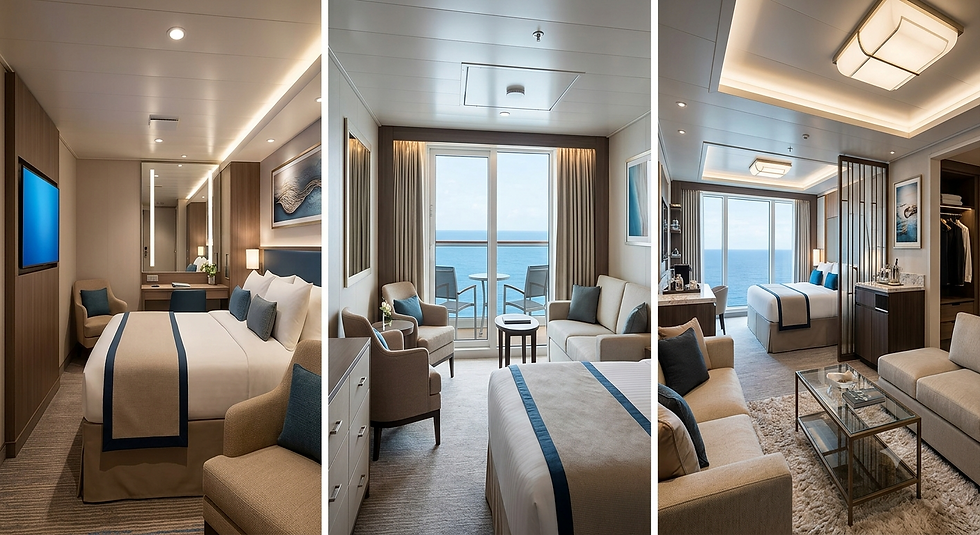
Choose from various cabin types and locations.
Book shore excursions that match your interests.
Select dining times or opt for flexible dining.
Participate in onboard activities or simply relax.
This flexibility allows travelers to create a cruise experience that fits their style.
Which Myths Do I Let Clients Keep Believing?
Some cruising myths, like the idea that cruises are only for older people, don’t harm anyone and can even encourage first-timers to try cruising without feeling out of place. I gently let clients keep believing those because the reality often pleasantly surprises them.
On the other hand, myths about seasickness or poor food quality can discourage people from booking cruises altogether. I make sure to address those directly with facts and examples to help clients make informed decisions.
Final Thoughts
Cruising myths often stem from outdated ideas or limited experiences. Today’s cruise vacations offer diverse options, great value, and enjoyable experiences for travelers of all ages and interests. Understanding the truth behind these myths helps you plan a trip that matches your expectations and makes the most of your time at sea.


Comments